


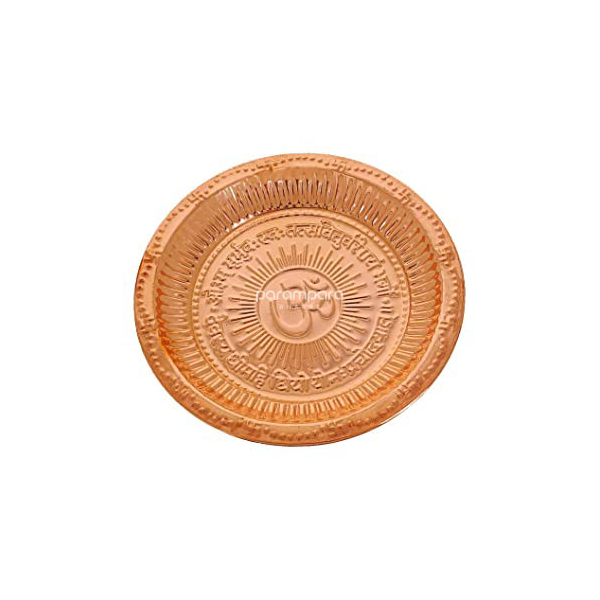

Om Thali in Copper
₹500.00
Description
- Pooja plate is used for keeping Pooja items during Pooja.
- The Pooja items kept in a Pooja plate include Roli for tilak, Akshat,Ghanti (bell),a small Kalash filled with water,Kalava to tie around the wrist,aarti-diya and some colorful flowers.
- The Pooja -thali has special significance for the festivals.Agarbatti,camphor,coconut,belpatra,betel leaves,sandalwood paste,candles, flowers,seasonal fruits and sweets (as Prasad) and silver or gold coins having image of Goddess Lakshmi,Lord Ganesh,Om,Swastika or Shree are also kept in a thali.
- Made in copper with OM and Gayatri mantra inscribed on it.
Specifications
- Material – Copper
- Pack of – 1
- Size – (W x H) 20.32 x 1.90 cm
- Weight – 150 g
Related products
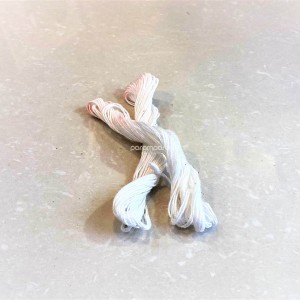
Janeu
Description
- The Janeu provides three strands, which symbolizes Hinduism's sacred trinity- Lord Brahma, Lord Vishnu & Lord Shiva.
- It is also synonymous with the three Vedas -Rig Veda, Sama Veda & Yajur Veda.
- In addition, they symbolize the three qualities - satogun - purity & goodness, Rajogun -love of delicate pleasure & Tamogun – inferior qualities. 20 pcs Gatta The size of janeu is full.
Quantity
- Set of - 2
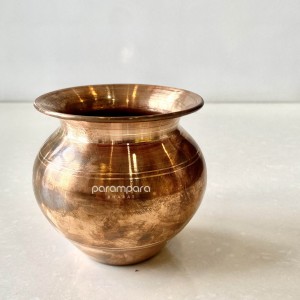
Cooper Plain Kalash
Description
- The Kalash symbolically represents creation. The vacant pot, symbolizes earth, and the water filled symbolizes the primordial water from which life began on earth.
- It is filled with water (preferably the water of holy Ganga, any sacred river or clean, running water).
- Its top open end holds betel or mango leaves and a red-yellow sanctified thread (kalawa or mauli) is tied around its neck.
- This kalash is placed on the pujavedi (worship dais or table) near the idols or pictures of the deity. It is placed facing the North, in the center.
- This positioning signifies balance; balance that one needs to achieve success in every walk of life.
- Often it is topped by a coconut or a deepak and kept on the sacred Vedic swastika symbol or a Vedic swastika is drawn on it by using wet vermillion, sandal-wood powder and turmeric.
Specifications
- Material: Copper
- Pack of - 1
- Size - (Top W x H): 8.5 x 9 cm
- Weight - 118 g

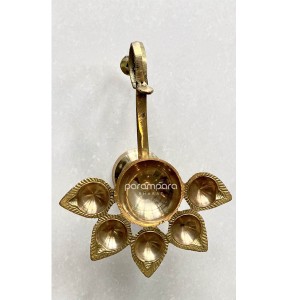
Brass Panchaarti (Small)
Description
- The importance of lighting a diya during worship can be traced back to Vedas.
- Light symbolizes knowledge and darkness, ignorance.
- The Lord is the “Knowledge Principle” (chaitanya) who is the source, the enlivener and the illuminator of all knowledge.
- Hence light is worshipped as the Lord Himself. Knowledge removes ignorance just as light removes darkness.
- Also knowledge is a lasting inner wealth by which all outer achievements can be accomplished.
- Hence we light the lamp to bow down to knowledge as the greatest of all forms of wealth.
- We therefore keep a lamp lit during all auspicious occasions as a witness to our thoughts and actions.
Specifications
- Material – Brass
- Pack of – 1
- Weight – 245 g
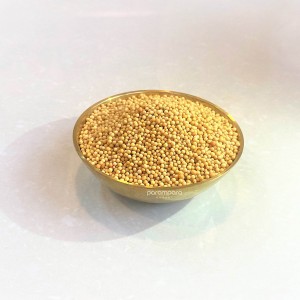

Chandan Powder
Description
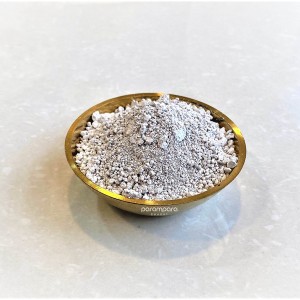
- Chandan or sandal is well known for its aroma and cooling effect on human body.
- Sandal powder is an important pooja item.
- Sandal paste is used in worshiping deities especially for applying tilak on the forehead of sacred idols.
- After offering to deities, devotees can apply it between the eyebrows or on the forehead to cool the nervous system and to stimulate spiritual energy.
- The paste can help heal skin diseases such as infectious sores, ulcers, acne and rashes.
- Sandalwood powder helps smooth and cool the skin, and can be made into a paste, lotion or soap for cleansing, calming and hydrating sensitive or aging skin.
- Sandalwood balances the circulatory, digestive, respiratory and nervous systems.
Quantity
- 20 gms
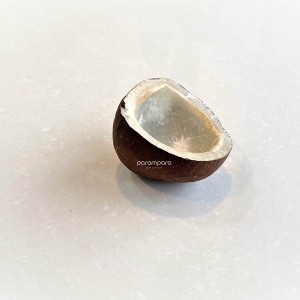
Dry Coconut
Description
- We never offer the coconut as it is.
- We remove the fibre that covers it and offer the fruit that is free from all the external fibre.
- Only then is it possible to break the coconut.
- By breaking the coconut, the water in it flows out.
- The heart is the coconut and it is covered by the fibre of desire.
- The water that flows out is the 'Samskara' or purification. The fibres on the surface are the desires.
- We must strip the heart of all desires and offer the core without the fibre. It then becomes an offering to God.
- If we plant a coconut as it is, in course of time and by watering it, another plant will grow out of it.
Used
- Dry coconuts are used as an offering to deities and especially during the final oblation (purna-ahuti) of any homa/yagna.
- It is filled with sugar and ghee and is then closed with a sacred thread, before offering to the homa fire.
Quantity
- 360 gm - Broken pieces of 2 coconuts
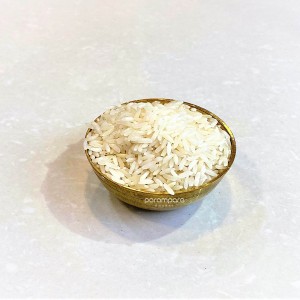
Akshat / Rice
Description
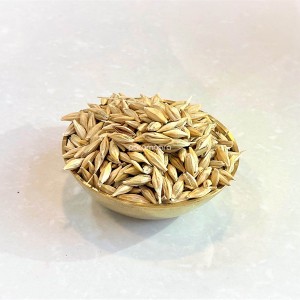
- Akshat basically consists of uncooked un-broken pieces of rice.
- Akshat is believed to be equal to offering clothes, jewelry, food, or any other offering.
- Akshat is usually thrown over the head of the devotees during Pooja and during functions like marriage and other auspicious events.
- Akshat / Rice Grains is one of the primary things without which the worship of the deity cannot be accomplished in a proper way.
- They are actually the symbols of prosperity and wealth.
Quantity
- 250 gms

Reviews
There are no reviews yet.