


Previous product
Back to products
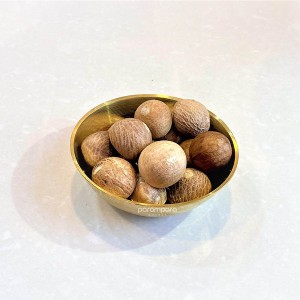
Supari / Betelnut
₹105.00
Next product
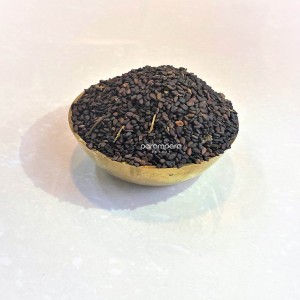
Black sesame (Kala Teel)
₹175.00 – ₹340.00
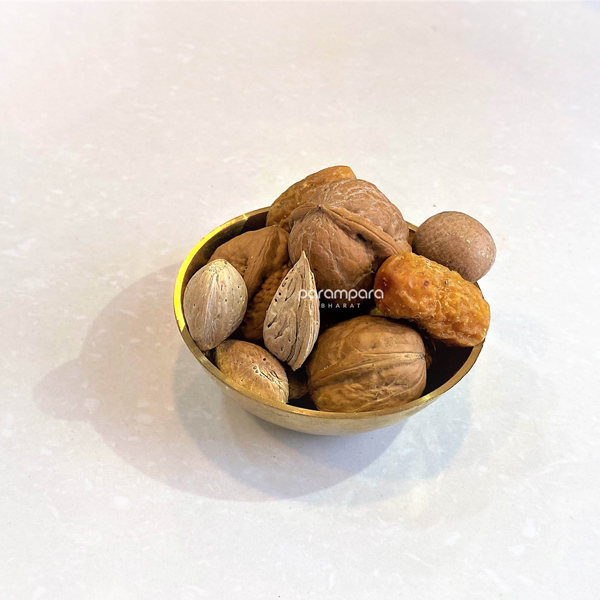
Panchmeva
₹310.00
Description
- Panch Mewa mean a mixture of five types of dry-fruit, used as a offering to the deities and later distributed as Prasada to the devotees.
- The mixture contains almonds, cashews, walnuts, kismis And pista.
Quantity
- 100 gms
Related products
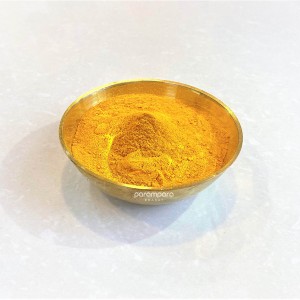
Turmeric Powder (Haldi)
Description
- Turmeric is considered highly auspicious in India and has been used extensively in various Indian ceremonies for millennia.
- Even today it is used in every part of India during wedding ceremonies and religious ceremonies
- Turmeric has played an important role in both Buddhist and Hindu spiritualism. The robes of the Buddhist monks were traditionally colored with a yellow dye made of turmeric.
- It is used in pooja to make a form of Lord Ganesha.
- Ganesha, the remover of obstacles, is invoked at the beginning of almost any ceremony and a form of Ganesha for this purpose is made by mixing turmeric with water and forming it into a cone-like shape.
- It is offered to Gods during pooja.
Quantity
- 50 gms , 100 gms

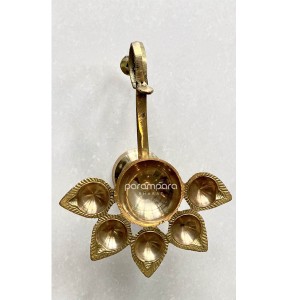
Brass Panchaarti (Small)
Description
- The importance of lighting a diya during worship can be traced back to Vedas.
- Light symbolizes knowledge and darkness, ignorance.
- The Lord is the “Knowledge Principle” (chaitanya) who is the source, the enlivener and the illuminator of all knowledge.
- Hence light is worshipped as the Lord Himself. Knowledge removes ignorance just as light removes darkness.
- Also knowledge is a lasting inner wealth by which all outer achievements can be accomplished.
- Hence we light the lamp to bow down to knowledge as the greatest of all forms of wealth.
- We therefore keep a lamp lit during all auspicious occasions as a witness to our thoughts and actions.
Specifications
- Material – Brass
- Pack of – 1
- Weight – 245 g
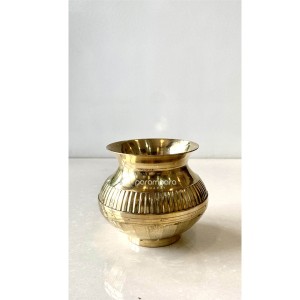
Brass Kalash
Description
- This lovely Kalash can be utilized karwa chauth and any event like wedding , commitment ,diwali , raksha bandhan or in any ceremonies, puja Brass Kalash keeps up an exceptionally propitious job as it is a piece of each religious customs.
- This is made of Brass material which makes it durable.
- Kalash is an important accompaniment in pooja rituals, weddings and important festive occasions.
- The water in Kalash is also used during abhishekam.
- Made in heavy shining brass.
Specifications
- Material - Brass
- Pack of - 1
- Size - (W x H) 8 x 9 cm
- Weight - 146 g
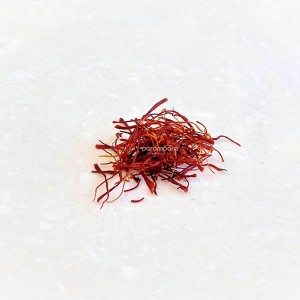
Kesar
Description
- Kesar have been derived from the Northern Indian region, Kashmir, where old saffron was produced.
- Saffron is the most expensive spice in the world.
- Saffron's aroma is unique and there is no substitute for it.
- It is offered to deity idols and afterwards distributed and smeared on the foreheads of devotees.
Quantity
- 0.025 gms
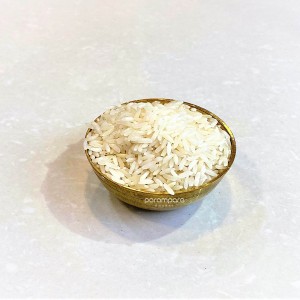
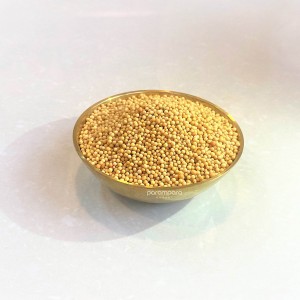
Akshat / Rice
Description
- Akshat basically consists of uncooked un-broken pieces of rice.
- Akshat is believed to be equal to offering clothes, jewelry, food, or any other offering.
- Akshat is usually thrown over the head of the devotees during Pooja and during functions like marriage and other auspicious events.
- Akshat / Rice Grains is one of the primary things without which the worship of the deity cannot be accomplished in a proper way.
- They are actually the symbols of prosperity and wealth.
Quantity
- 250 gms
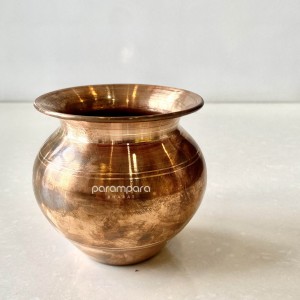
Cooper Plain Kalash
Description
- The Kalash symbolically represents creation. The vacant pot, symbolizes earth, and the water filled symbolizes the primordial water from which life began on earth.
- It is filled with water (preferably the water of holy Ganga, any sacred river or clean, running water).
- Its top open end holds betel or mango leaves and a red-yellow sanctified thread (kalawa or mauli) is tied around its neck.
- This kalash is placed on the pujavedi (worship dais or table) near the idols or pictures of the deity. It is placed facing the North, in the center.
- This positioning signifies balance; balance that one needs to achieve success in every walk of life.
- Often it is topped by a coconut or a deepak and kept on the sacred Vedic swastika symbol or a Vedic swastika is drawn on it by using wet vermillion, sandal-wood powder and turmeric.
Specifications
- Material: Copper
- Pack of - 1
- Size - (Top W x H): 8.5 x 9 cm
- Weight - 118 g
Supari / Betelnut
Description
- The betel nut/Supari is an integral part of the daily or ritualistic Pooja.
- It is also popularly used in the age old-custom of Indian eating.
- The supari is symbolic of the nut of the ego that must be offered on the altar of God.
- It represents the hard, coarse qualities that must be surrendered to God, leaving only the soft, pure qualities.
- Mostly symbolic, the Supari is many a times traditionally represented as the Nine planets (in the Navgrah Pooja) and takes the form of Deities like Brahma, Surya and others during different Pooja.
Quantity
- 11 pieces

Reviews
There are no reviews yet.